
Living in New York City means navigating pollution, stress, and unpredictable weather at a pace that rarely slows down. All of that takes a real toll on your skin, often before you even notice something is wrong. Your skin is more than what you see in the mirror. It reflects what’s happening inside your body, and it deserves the same attention you give to the rest of your health.
You should see a dermatologist when breakouts won’t clear, spots change in appearance, hair starts thinning, or skin changes are affecting how you feel day to day. Even without a specific concern, an annual visit can help catch something early and keep your skin on a healthy path. Our team at Future Bright Dermatology is here to help you build a plan that works for your skin and your lifestyle.
Your Skin & the City: Why Regular Visits Matter
The urban environment can be relentless. Pollution, hard water, and changing climates can chip away at your skin’s natural defenses over time. What starts as dullness or occasional dryness can quietly develop into something that may need professional care.
Routine visits to a dermatologist give you a chance to catch concerns before they become harder to treat. Think of it like a yearly check-in for your skin, a moment to pause, take stock, and stay ahead. The sooner a concern is spotted, the more options you have for addressing it.
Acne at Any Age: Knowing When to Take the Next Step
Over-the-counter products can only do so much. If you’ve been cleansing, treating, and moisturizing but your skin keeps breaking out, that’s a clear signal to seek a professional opinion. Acne doesn’t follow age limits, and adult breakouts deserve the same level of attention and care as teenage ones.
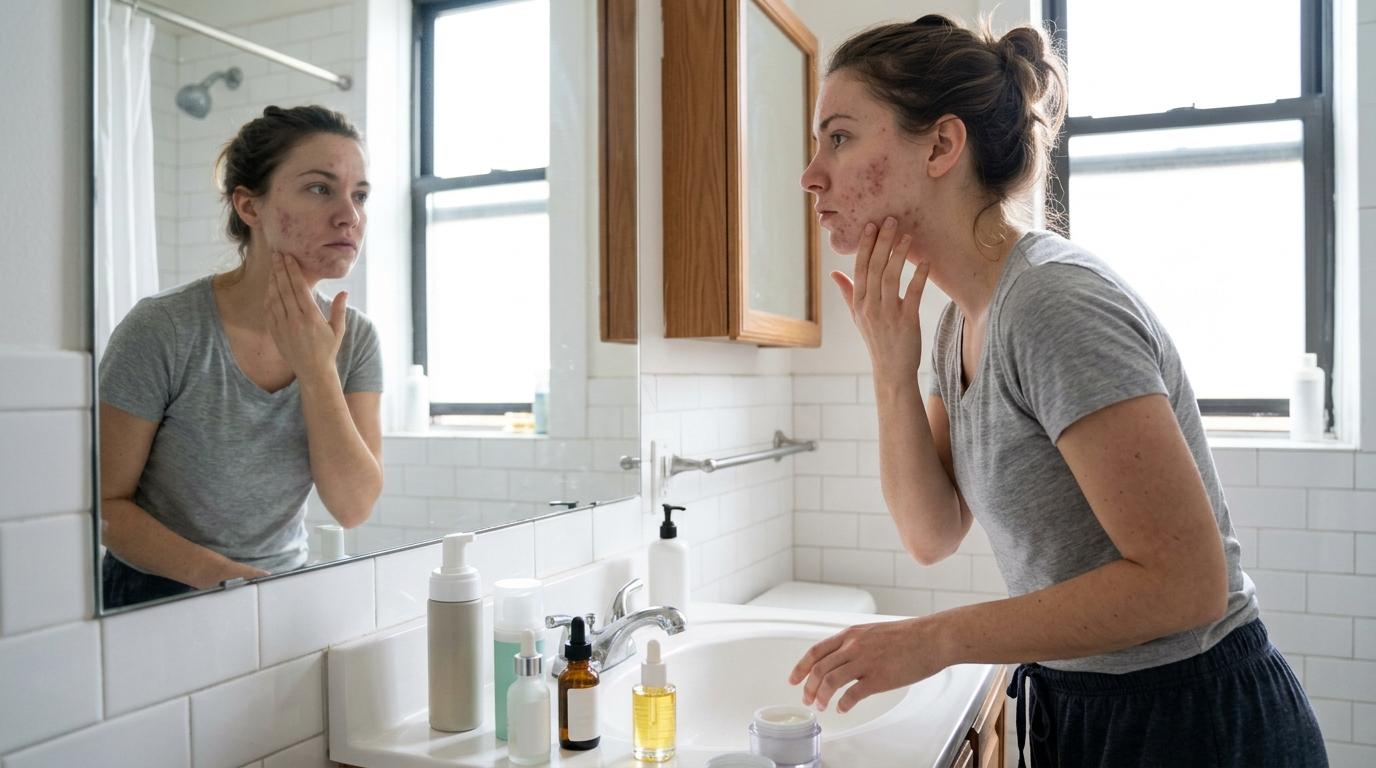
Pay close attention to these signs that it’s time to move beyond drugstore solutions:
- Breakouts that keep coming back despite regular use of store-bought products
- Deep, painful cysts or nodules under the skin
- Acne that leaves dark marks or visible scarring after it heals
Scarring, in particular, is worth acting on quickly. Once it sets in, it takes more effort to treat than the breakout itself may have.
Treatments Worth Knowing About
A dermatologist can offer options that go far beyond what’s on a pharmacy shelf. SmoothGlo is a layered treatment that addresses both skin tone and texture, making it a strong option for anyone dealing with the uneven aftermath that acne often leaves behind. It combines light-based and radiofrequency energy to refresh the skin from the surface down.
Professional facials tailored to your specific skin type can help calm active breakouts while supporting your skin’s overall health. For persistent or severe acne, prescription treatments can target the root causes that topical products simply can’t reach. The most effective path forward is one tailored to your skin specifically, and that level of personalized care is where professional expertise truly matters.
Moles, Spots, & Skin Checks
The ABCDE Method: What to Watch For
Moles are often harmless, but changes in their appearance are worth paying attention to. The ABCDE method gives you a practical way to monitor your own skin between visits. Schedule an appointment sooner rather than later if you notice any of the following signs:
- Asymmetry: One half of the mole doesn’t match the other.
- Borders: Edges that are irregular, ragged, or blurred.
- Color: Uneven color with multiple shades of brown, black, pink, or red in one spot.
- Diameter: A size larger than 6mm, roughly the diameter of a pencil eraser (though some melanomas can be smaller).
- Evolving: Any spot that is changing in shape, size, or color over time.
Note: It is also a good idea to get checked if you notice new moles appearing after age 40.
What a Full-Body Skin Exam Looks Like
A full-body skin exam is thorough by design. A dermatologist checks areas you can’t easily see yourself, including your scalp, between your toes, under your nails, and along your back. No spot gets overlooked.
The visit often includes a conversation about your sun exposure history and any personal or family history of skin concerns. That context helps your dermatologist make informed decisions about what to watch and what may require mole and skin growth removal.
Hair Loss & Skin Conditions
Hair Loss
Noticing more hair on your pillow, or a part that looks wider than it used to? Hair loss has many causes, and a dermatologist can help identify what’s driving it for you specifically. Scalp health is skin health, and it falls squarely within dermatology care.
Platelet-rich plasma therapy is one option that may be worth exploring. It uses your body’s own growth factors to support hair follicle activity and is a non-surgical approach that many people find appealing.
Alma TED is another noninvasive approach that works without needles or downtime, with many patients reporting reduced shedding, increased hair growth, and improved hair density in as little as 3–4 months.
Chronic Skin Conditions
Rosacea and other chronic skin conditions tend to linger and flare up unpredictably. If your skin stays irritated and uncomfortable despite trying every product on the shelf, it’s time for a more targeted approach. Living with chronic discomfort isn’t something you have to accept as normal.
A dermatologist can create a treatment plan that addresses your specific triggers and symptoms, giving your skin a real opportunity to settle and stabilize.
Cosmetic Concerns & Aging Skin
Esthetic Care
Fine lines, a loss of firmness, or uneven skin tone are natural parts of how your skin changes over time. But when those changes start affecting how you feel stepping out into the day, that’s a worthwhile reason to have a conversation with a dermatologist. Esthetic care is part of skin health, not separate from it.
You don’t need a referral to visit a dermatologist in New York for cosmetic concerns. A direct appointment is all it takes to explore your options.
Treatment Options
There’s a wide range of treatments available depending on what you’d like to address. Every option works differently depending on your skin, your goals, and your schedule. Skin boosters like Sculptra and Rejuran® can promote collagen production and improved circulation, while laser treatments work on tone and clarity. Radiofrequency microneedling (RFMN) and chemical peels are popular choices for improving texture and giving skin a refreshed appearance.
Book Your Appointment
Your skin is with you every day, through every late night and early morning this city brings. Future Bright Dermatology is your solution provider for thoughtful, personalized skin care, with treatments and guidance tailored to your life. Feel at ease in our hands. Schedule your consultation today and take that first step toward skin that truly shines.