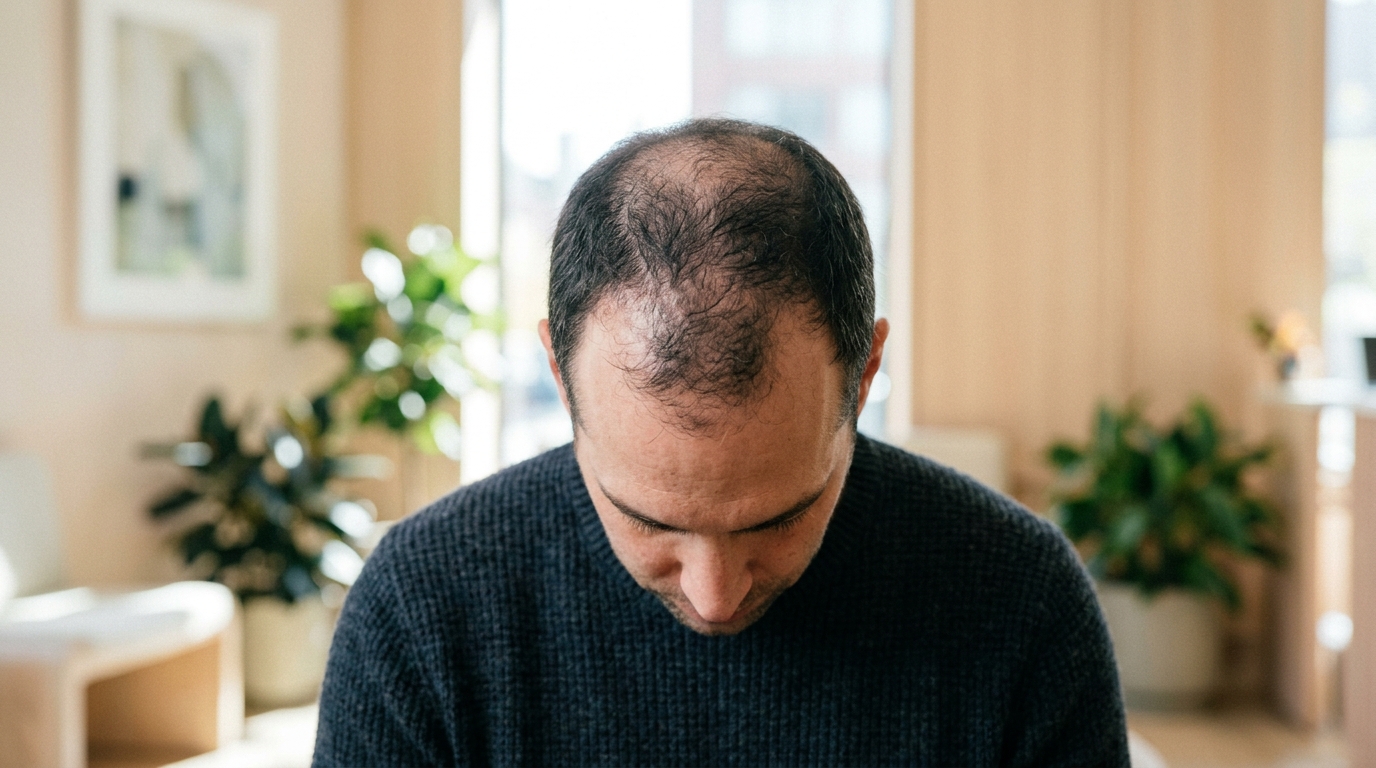
You catch a glimpse of your reflection and notice it again, your hairline looks a little different, your part a little wider. Hair thinning can feel like something happening to you quietly, without warning, and knowing where to turn isn’t always obvious. Future Bright Dermatology understands that experience deeply, and our team has built a range of thoughtful, personalized solutions around it. If you’re wondering whether a dermatologist can help with hair loss, the answer is a clear and encouraging yes.
Non-surgical hair restoration gives you real, evidence-based options to address hair loss without going under the knife, making it a practical path for many people looking to protect what they have and encourage what’s possible.
What Is Non-Surgical Hair Restoration?
Non-surgical hair restoration covers a range of treatments designed to stimulate growth and improve hair density, no transplants, no incisions. These approaches work at the follicle level, targeting the root cause of thinning rather than just masking it. Options span from in-office therapies to at-home support, often used together for stronger results.
Think of it as giving your scalp the right environment to do what it’s naturally built to do. When follicles receive better support, whether through specialized energy, growth factors, or topical solutions, they can produce thicker, healthier strands over time.
Common Reasons for Hair Loss
Factors That Trigger Thinning
Hair loss rarely has just one cause. Genetics play a significant role for many people, but hormonal shifts, chronic stress, and certain medications can all contribute to thinning. Even everyday habits like tight hairstyles or gaps in nutrition can quietly affect your hair’s health over time.
The tricky part is that many of these triggers overlap. Someone navigating a demanding New York lifestyle might be dealing with stress, dietary changes, and hormonal fluctuations all at once, each one compounding the effect on the scalp.
Why Early Action Matters
Hair follicles that are still active respond far better to treatment than those that have been dormant for years. The earlier thinning is addressed, the more options are available, and the more effectively those options tend to work. Non-surgical treatments are particularly well-suited to early and mid-stage hair loss, when the follicles still have strong potential.
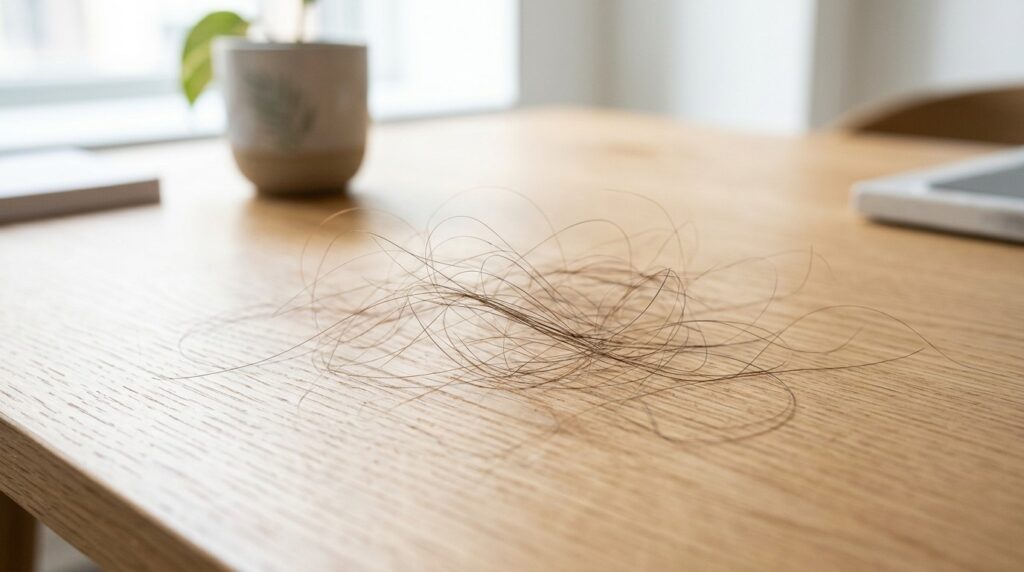
Waiting to act doesn’t always make the process easier; it can simply narrow the window of opportunity. Taking that first step sooner can make a meaningful difference in what’s achievable.
Non-Surgical Hair Restoration Options
Alma TED Treatment
Alma TED is one of the more innovative approaches available right now. It uses ultrasound-based technology to deliver a specialized hair growth formula deep into the scalp, no needles, no injections. The process is gentle, with minimal discomfort and no downtime required afterward.
For someone with a packed schedule, this matters. You can have an Alma TED session and walk right back into your day. The treatment works by using acoustic sound waves and air pressure to drive the formula past the scalp’s surface, reaching the follicles where change actually happens.
Other In-Office & At-Home Therapies
Beyond Alma TED, there are other proven approaches worth knowing. Low-level light therapy uses specific wavelengths to improve circulation in the scalp, supporting a healthier environment for growth.
At home, topical and oral minoxidil are widely used to support follicle function between in-office visits. A dermatologist can help you figure out which combination of treatments fits your specific situation and goals.
Key Benefits of Non-Surgical Treatments
Lifestyle-Friendly Advantages
One of the biggest draws of non-surgical options is how well they fit into a real, busy life. Most treatments involve little to no downtime, so there’s no need to block off days for recovery. Appointments can often be scheduled around work, family, and everything else New York City demands of you.
That flexibility removes a barrier many people feel when considering hair restoration. It doesn’t have to be a major event; it can simply be part of how you take care of yourself.
Practical & Personal Wins
Non-surgical treatments also tend to have lower upfront costs than surgical procedures, making them more accessible to a wider range of people. There are no surgical risks involved, no lengthy recovery periods, and no significant disruption to daily life. As your hair loss pattern or needs evolve, your treatment plan can be adjusted accordingly.
Is Non-Surgical Hair Restoration Worth It for You?
Who Tends to See Strong Results
People in the early to moderate stages of hair loss often see the most notable outcomes from non-surgical treatments. Those with diffuse thinning across the scalp rather than complete bald patches are typically good candidates. The more follicular activity that’s still present, the more these treatments have to work with.
What to Expect from a Dermatologist in New York
Working with a dermatologist in New York means getting a plan built around your specific hair loss pattern, not a generic protocol. A thorough evaluation helps identify what’s driving the thinning and which treatments are most likely to be effective for your situation.
Progress is also tracked over time, so the plan can shift as your hair responds. You’re not left guessing; you have a partner in the process every step of the way.
We Can Help
At Future Bright Dermatology, our approach to hair restoration is as personalized as the city is diverse. If you’re noticing changes in your hair and want to explore your options, reach out to our team to schedule a consultation and take that first meaningful step toward a fuller, healthier head of hair.