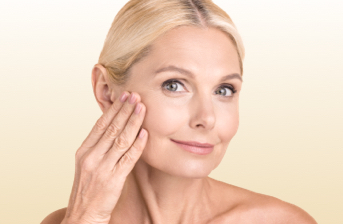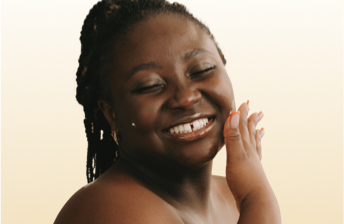
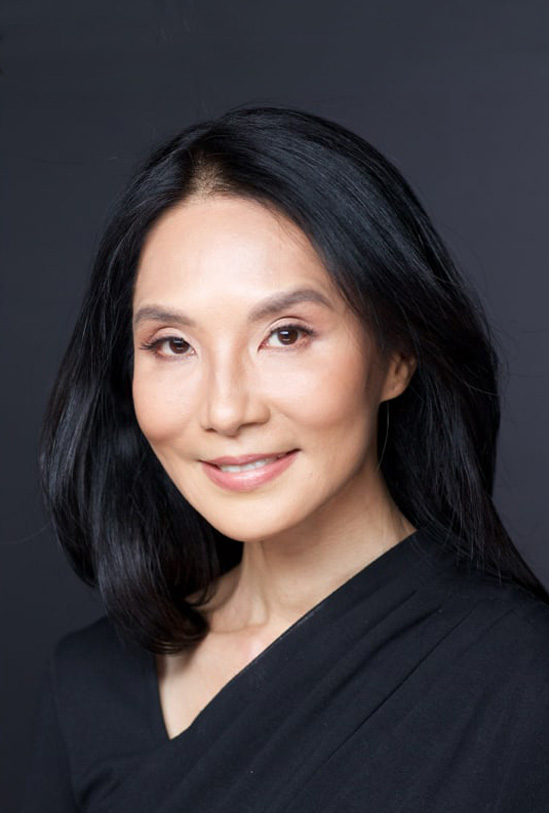
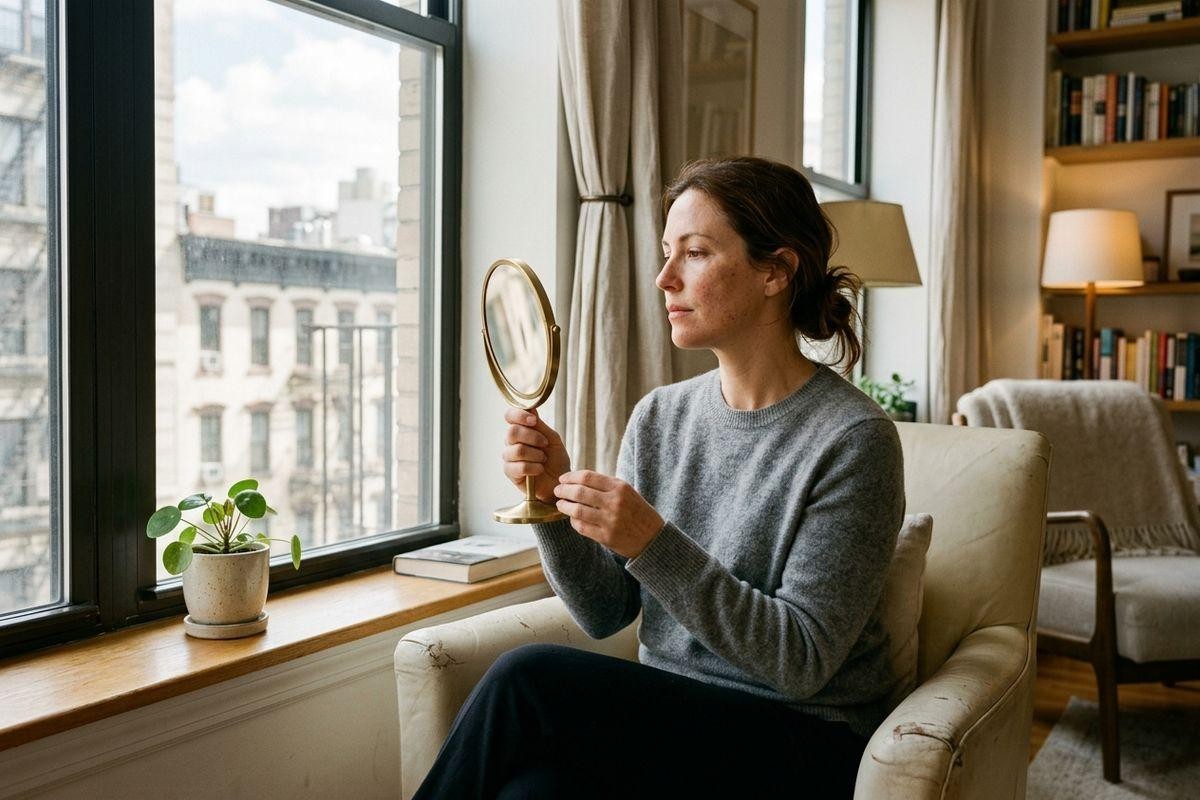
Sun spots, freckles, and areas of redness can make your complexion look uneven. These changes may stand out in bright office lights, sunny photos, or your bathroom mirror. At Future Bright Dermatology, IPL offers a practical way to address several types of unwanted color.
IPL treatment can improve uneven skin tone by using broad light to fade brown spots, soften redness, and create a more balanced complexion. A careful skin assessment can help determine whether IPL fits your tone, goals, and daily schedule.
What IPL Treatment Can Do for Uneven Skin Tone
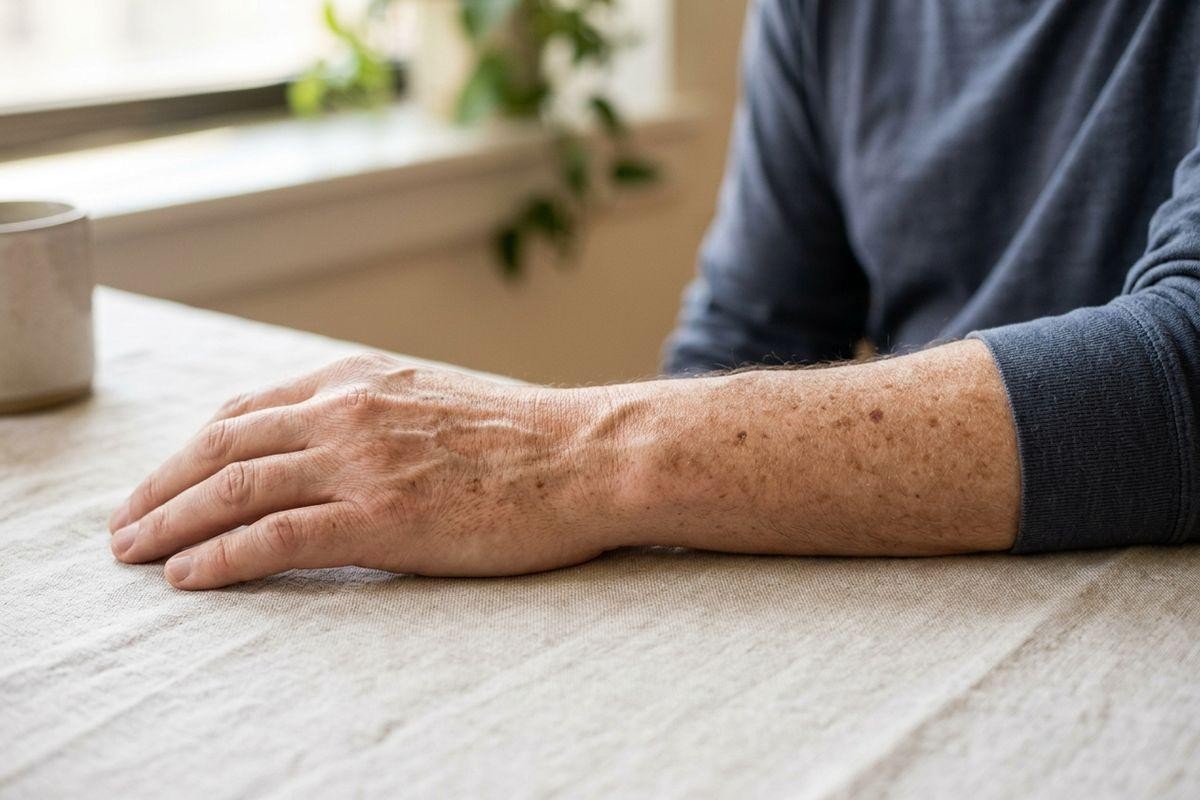
IPL can treat several color concerns during one treatment plan. It may help you address areas on your face, neck, chest, or hands that have changed after years of sun exposure.
- Fade your sun spots or age spots
- Soften freckles and patchy brown areas
- Reduce redness from visible blood vessels
Your results can vary by skin tone and the type of color you want to treat, so the doctor can identify each concern before recommending IPL.
How IPL Light Helps Even Your Complexion
IPL sends broad light toward unwanted color in your skin. Your body clears the treated pigment over time, so changes tend to appear in the weeks after your visit. The surrounding skin receives limited light exposure.
IPL vs. Laser Treatment
IPL and laser treatments both use light, but they work in different ways. The doctor can compare these options based on the points below.
- IPL uses several light wavelengths and can address several types of unwanted color
- Laser treatment uses one focused wavelength for a more targeted approach
- Your skin concern guides the choice
The doctor can explain which option suits your complexion and goals. This personal approach helps you avoid a one size fits all plan.
How a Dermatologist in New York Assesses Your Skin
Your IPL Fit
Light to medium skin tones often respond well to IPL. If you have a darker skin tone, the doctor may recommend another option to reduce the chance of unwanted color changes. Melasma also needs careful review because IPL may make it darker.
Your Personal Treatment Plan
A dermatologist in New York can assess how city sun exposure, outdoor time, and your schedule may affect your plan. The team may review several details before treatment.
- Your natural skin tone and recent sun exposure
- Your medicines and treatment goals
- Your target areas and available schedule
This visit gives you space to discuss the changes you want to see and the time you can allow for care.
What to Expect Before, During & After IPL
Before Your Visit
A few simple steps can help prepare your skin for the light.
- Avoid tanning and self-tanner as directed
- Share your medicines and recent sun exposure
- Arrive with clean, product-free skin
During Your Session
Your session may take 20 to 60 minutes, based on the size and number of areas treated. Eye shields can help protect your eyes during the bright flashes. You may feel warmth or quick, light snaps against your skin.
Your Early Recovery
Redness may remain for 1 or 2 days, and brown spots may look darker before they flake away. Gentle skin care and SPF 30 sunscreen can help support your skin during this early stage.
IPL Results, Side Effects & Long-Term Care
Results After 1 IPL Session
You may notice changes within several weeks. Your plan may include 3 to 7 sessions, often set 2 to 4 weeks apart. The number of visits depends on your skin and target areas.
Possible Side Effects & Limits
The doctor can explain what to watch for after each session.
- Temporary redness, swelling, or mild discomfort
- Rare blisters, scars, or skin color changes
- Added time and cost from repeat sessions
How Long Your IPL Results May Last
Your results may last 6 to 12 months. However, new sun exposure can lead to new spots. Daily sunscreen and planned follow-up care can help you maintain a clearer, more even look.
Future Bright Dermatology offers a calm haven for personalized skin care amid New York City life. Schedule an IPL assessment with the team to learn whether this treatment fits your complexion, goals, and routine.